
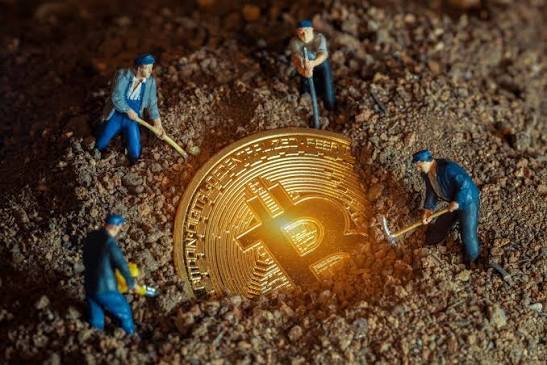
Bitcoin mining is the engine that keeps the world’s largest cryptocurrency running. It is the process by which new Bitcoin is created, transactions are verified, and the network is secured. For investors searching for fintechzoom.com bitcoin mining information, the goal is clear: understand the costs, trends, and market news that drive this capital-intensive industry.
Whether you are a miner evaluating profitability, an investor analyzing mining stocks, or simply curious about how Bitcoin works, mining is a critical topic. Mining is influenced by a unique mix of energy costs, hardware efficiency, network difficulty, and Bitcoin’s price. This article breaks down the key concepts, cost structures, and trends shaping Bitcoin mining right now.
By the end of this guide, you will understand how mining works, what drives mining costs, how the halving affects profitability, and how to use Fintechzoom as part of your research. Let’s dive in.
Why Bitcoin Mining Matters to Investors
Bitcoin mining is not just a technical process — it is a multi-billion dollar industry that directly affects the Bitcoin network and the broader crypto market. Understanding mining helps investors assess network health, miner sentiment, and potential selling pressure.
Here is why fintechzoom.com bitcoin mining data is essential for any serious investor:
- Network security: Mining secures the Bitcoin network and prevents attacks.
- Supply issuance: Mining is the only way new Bitcoin enters circulation.
- Miner economics: Miners are forced sellers of Bitcoin, so their profitability affects market supply.
- Mining stocks: Publicly traded miners offer leveraged exposure to Bitcoin prices.
- Energy markets: Mining connects crypto to global energy markets and policy.
For traders, mining data provides insight into potential selling pressure. When miners are profitable, they tend to hold Bitcoin. When margins compress, they may sell to cover costs.
Also Read: Fintechzoom.com Investments: Smart Ideas for Your Portfolio.
How Bitcoin Mining Works
Bitcoin mining is the process of validating transactions and adding them to the blockchain. Miners compete to solve complex mathematical puzzles using specialized hardware. The first miner to solve the puzzle earns the right to add a new block and receives a block reward plus transaction fees.
Key Components of Mining
- Proof of Work: The consensus mechanism that secures Bitcoin. Miners expend energy to prove they have done the work.
- ASIC hardware: Application-specific integrated circuits designed specifically for mining Bitcoin. They are far more efficient than general-purpose computers.
- Mining pools: Groups of miners who combine their hash power and share rewards proportionally.
- Block reward: The new Bitcoin awarded to the miner who finds a block. It started at 50 BTC and halves roughly every four years.
- Transaction fees: Additional income miners receive for including transactions in a block.
Mining is competitive and industrial in scale. Individual miners with home equipment rarely profit, as large-scale operations with cheap energy dominate the network.
Bitcoin Mining Costs Explained
Mining profitability depends on the relationship between costs and revenue. Here are the main cost components:
| Cost Category | Description | Impact on Profitability |
|---|---|---|
| Electricity | Power consumption of ASIC miners | Largest ongoing cost; varies by region |
| Hardware | ASIC purchase price | High upfront capital expenditure |
| Infrastructure | Cooling, facilities, networking | Significant setup and maintenance cost |
| Labor | Technicians and operations staff | Ongoing operational expense |
| Pool Fees | Percentage paid to mining pools | Typically 1 to 3 percent of rewards |
| Depreciation | Hardware losing value over time | Requires constant reinvestment |
Electricity is the dominant cost, often accounting for 60 to 80 percent of total mining expenses. Miners seek locations with cheap, reliable energy, including hydroelectric, natural gas, and stranded energy sources.
Break-Even Analysis
A miner’s break-even price is the Bitcoin price at which mining revenue equals costs. When Bitcoin trades below break-even, miners may shut down unprofitable rigs or sell holdings to cover expenses. This dynamic can create selling pressure during bear markets.
Also Read: Fintechzoom.com Investments: Smart Ideas for Your Portfolio.
Hash Rate, Difficulty and Network Health
Two of the most important metrics in Bitcoin mining are hash rate and difficulty. Together, they measure the health and competitiveness of the network.
Hash Rate
Hash rate is the total computational power dedicated to mining Bitcoin. A rising hash rate means more miners are competing, which increases network security. A falling hash rate can signal that miners are shutting down due to unprofitability.
Difficulty
Difficulty adjusts roughly every two weeks to ensure blocks are found approximately every 10 minutes. When hash rate rises, difficulty increases, making mining harder. When hash rate falls, difficulty decreases, making mining easier.
Why These Metrics Matter
- Security: Higher hash rate makes the network more resistant to attacks.
- Miner profitability: Difficulty directly affects how much Bitcoin a given amount of hash power can earn.
- Market sentiment: Hash rate trends can signal miner confidence and long-term outlook.
- Energy demand: Hash rate growth reflects the industry’s expanding energy consumption.
Investors tracking fintechzoom.com crypto mining data pay close attention to these metrics for insight into network health and miner economics.
The Halving and Its Impact on Miners
Approximately every four years, the Bitcoin block reward is cut in half. This event, known as the halving, reduces the rate at which new Bitcoin is created. It has profound implications for miners and the broader market.
Historical Halvings
- 2012: Block reward dropped from 50 to 25 BTC.
- 2016: Block reward dropped from 25 to 12.5 BTC.
- 2020: Block reward dropped from 12.5 to 6.25 BTC.
- 2024: Block reward dropped from 6.25 to 3.125 BTC.
Impact on Miners
Halvings immediately cut miner revenue in half, assuming Bitcoin’s price stays the same. This forces inefficient miners to shut down and pressures margins across the industry. However, historically, halvings have preceded significant Bitcoin bull markets, which eventually restore miner profitability.
Impact on the Market
Because halvings reduce new supply, they are often cited as a catalyst for bull markets. Scarcity increases, and if demand holds steady or grows, prices tend to rise. This dynamic is closely watched by investors tracking fintechzoom.com bitcoin mining news.
Also Read: Fintechzoom.com Economy: Key Trends Shaping Markets & Money.
Bitcoin Mining Stocks and Market News
Publicly traded Bitcoin mining companies offer investors exposure to the mining industry without the operational complexity of running a mining operation. These stocks are typically high-beta plays on Bitcoin’s price.
Major Mining Stocks
- Marathon Digital (MARA): One of the largest Bitcoin miners by hash rate.
- Riot Platforms (RIOT): Major miner with large-scale facilities and energy assets.
- CleanSpark (CLSK): Focused on efficient, sustainable mining operations.
- Hut 8 Mining (HUT): North American miner with diversified infrastructure.
- Cipher Mining (CIFR): Growing miner with a focus on low-cost energy.
Key News Categories
- Hash rate updates: Monthly production reports and hash rate growth.
- Energy deals: New power agreements and facility expansions.
- Hardware purchases: ASIC orders and fleet upgrades.
- Bitcoin holdings: How much Bitcoin each miner holds versus sells.
- Regulatory developments: Energy policy, emissions rules, and crypto regulation.
Mining stocks are volatile and sensitive to Bitcoin’s price. Investors should size positions carefully and understand the risks.
Crypto Mining Beyond Bitcoin
While Bitcoin is the largest proof-of-work network, other cryptocurrencies also use mining. Understanding these alternatives provides a broader view of the fintechzoom.com crypto mining landscape.
Other Mineable Coins
- Litecoin (LTC): Uses Scrypt algorithm; often mined alongside Dogecoin.
- Dogecoin (DOGE): Merge-mined with Litecoin; popular for its community.
- Monero (XMR): Privacy-focused coin mined with CPUs.
- Kaspa (KAS): Uses GHOSTDAG protocol; growing mining community.
- Bitcoin Cash (BCH): Fork of Bitcoin with the same SHA-256 algorithm.
Proof of Stake vs Proof of Work
Ethereum’s transition to proof of stake in 2022 eliminated mining for ETH. Other networks may follow. This shift has implications for miners, energy consumption, and the broader crypto ecosystem. Understanding these trends helps investors anticipate where mining is heading.
Key Takeaway: Bitcoin mining dominates the proof-of-work landscape, but other mineable coins and the shift to proof of stake are important trends to watch.
Also Read: Fintechzoom.com ETF Market: Funds, Trends & What to Know.
How to Track Mining Trends with Fintechzoom
Fintechzoom.com is a useful resource for tracking Bitcoin mining news, data, and trends. Here is how to use it effectively:
- Monitor Bitcoin price: Mining profitability is directly tied to Bitcoin’s price.
- Track hash rate and difficulty: These metrics reveal network health and miner competition.
- Follow mining stock news: Watch production reports, energy deals, and hardware purchases.
- Read halving coverage: Understand the supply dynamics and historical impact.
- Check energy news: Electricity prices and policy affect mining economics.
- Use watchlists: Create a list of mining stocks and crypto assets for quick access.
- Stay consistent: Mining trends evolve slowly, so regular monitoring is key.
By incorporating Fintechzoom into your daily routine, you can stay ahead of mining trends and make more informed decisions about mining stocks and Bitcoin itself.
Frequently Asked Questions (FAQ)
Also Read: Fintechzoom.com Crypto: Markets, Prices and Latest Trends.
Conclusion
Bitcoin mining is a critical part of the crypto ecosystem, securing the network and issuing new supply. From fintechzoom.com bitcoin mining data on costs and hash rate to fintechzoom.com crypto mining coverage of other proof-of-work networks, understanding this industry is essential for investors. By tracking energy costs, halving cycles, and mining stock news, you can make more informed decisions.
Fintechzoom.com provides a useful platform for monitoring mining trends in real time. Whether you are a miner evaluating profitability, an investor analyzing mining stocks, or simply curious about how Bitcoin works, the data and news available on Fintechzoom can help you navigate this capital-intensive industry.
Stay updated, stay informed, and always do your own research. The mining industry never sleeps — and neither should your market intelligence.
For more useful articles, visit my website: Fintechs-zoom.com.